


Expert strategies for a smooth transition from outdoor cat to indoor cat
By:
Mieshelle Nagelschneider, Cat Behaviourist, host of the TV show My Cat From Hell, and author of the cat behaviour science book, The Cat Whisperer
Last Updated:
Read Caption
Featured Photo Vitaliy Hrabar/Shutterstock
So, you’ve spotted a cat outside that seems to not have a home, and you’re dreaming of them lounging on your couch instead of your lawn. Or, maybe the cat appears to be lost or in need of medical help, like so many homeless cats, and you want to provide a safe place for them to stay until you find them a forever home. Whatever the reason, bringing an outside cat indoors can be a challenging but rewarding experience. Whether the cat is feral, semi-feral, or an ex-housecat gone rogue, transitioning them to an indoor life requires patience, understanding, and careful planning. Here are the tips and tricks needed to make the transition as smooth as possible.
How to Turn an Outdoor Cat to an Indoor Cat
#1 Assess the Cat’s Background and Temperament
Feral Cats: These cats have had little to no human interaction and are typically very wary of people. Transitioning a feral cat to an indoor environment will be the most challenging and time-consuming. Certain feral cats are not good candidates to live indoors, but in general, all cats are very adaptable to change, and most will adapt to indoor life.
Semi-Feral Cats: These cats have had some interaction with humans and may have been fed by people or lived near human dwellings. Picture these guys as the middle child—curious about humans but still playing it cool. They are more accustomed to people and may be more adaptable to indoor life.
Former Indoor Cats: These cats may have been abandoned or lost. They can be very friendly with people or at least much more comfortable and usually adapt more quickly to being indoors again.
Possible Pets: Occasionally, the outdoor kitty you’ve set your sights on already has a human family. Make sure you’re not accidentally adopting someone else’s furry friend!
Microchip Scanning:
A veterinarian can scan a cat for a microchip that provides contact information for the owner or shelter where he/she was adopted.
Outdoor to Indoor Cat Transition: Initial Steps for All Cats
- Create a Safe Space: Set up a quiet room with a litter box, food, water, comfortable bedding, and a hiding place (i.e. under the bed or a cat tree with a cubby space). This room will be the cat’s sanctuary where they can feel secure as they adjust to their new environment.
- Visit a Veterinarian: It’s essential to get a health check-up as soon as possible. This includes a physical exam, recommended diagnostic work, vaccinations, deworming, prescription flea treatment, and spaying/neutering if not already done. If you already have existing cats or dogs, it’s important this be done before introducing them.
- Identification: Have the cat microchipped and collared with an ID tag. This can help prevent any Houdini-like escape acts from ending in a lost kitty. If the cat escapes, they can be returned to you. Your vet will also check to see if the cat has a preexisting microchip.
Specific Strategies Based on Cat Type
FERAL CATS
- Gradual Acclimation: Start by feeding the cat near your home to build trust. Gradually move the food closer to the entrance of your house and eventually inside.
- Use a Humane Trap: Sometimes, you need to resort to a humane trap to bring these wary wanderers inside.
- Minimize Human Interaction Initially: Allow the cat to explore their new surroundings without human interference. Sit quietly in the room to get them used to your presence, but avoid direct interaction at first (i.e. no eye contact or attempts to pet, and no direct approaching). You will need to maintain a non-confrontational distance of at least 10 feet. Let them get used to the environment without the added stress of a looming human presence.
- Provide Enrichment: Offer toys, scratching posts, and vertical spaces to help the cat feel more comfortable and engaged in their new environment. If you can engage the cat with a wanded toy, this is the fast track to helping them become less fearful, leading to a quicker acclimation to the new environment and to you.
SEMI-FERAL CATS
- Building Trust: Semi-feral cats might already have some trust in humans. Spend time sitting quietly in the room, offering treats and speaking softly to help them get used to your presence.
- Interactive Play: Engage the cat with wand toys and other interactive play to build a positive association with being indoors and with you. Activating their predatory aggression will help them feel less fearful and more confident.
- Consistency: Keep a consistent schedule for interaction to help the cat feel more secure and establish a routine.
CONVENTIONAL FEEDING ADVICE ALERT
Gone are the days of only feeding cats twice a day. Infrequent feeding leads to stress and behaviour issues in cats. Cats are designed to eat frequently. Three to four meals a day is much more humane. Be sure to know the weight of your cat and follow the feeding guidelines for your cat’s weight on the food label.

Photo Svetlana Rey/Shutterstock
“Cats fed on timed, human schedules, tend to be less cooperative and more aggressive than cats allowed to eat on their own schedules.”
—Excerpt from Mieshelle’s book, The Cat Whisperer, Random House Publishing
FORMER INDOOR CATS
- Familiar Items: Provide familiar items such as cat beds, a variety of different toys, cat scratchers, cat trees and cat treats to make them feel more at home. The cat may even respond to the word “treat” like so many cats do!
- Gradual Integration: Allow the cat to explore the house gradually, starting with their safe space and expanding their territory over time. Be sure the cat has been thoroughly checked out by a veterinarian before you expose it to other animals in the home.
- Positive Reinforcement: Use treats and affection to reinforce positive behaviours and help the cat adjust more quickly. Play time is one of the best ways to help a cat forget about its worries.
Catnip is a safe cat grass can be a particularly helpful behaviour tool in helping cats relax, reduce anxiety, and activate playful behaviour, which can help reduce fear.

Photo gvictoria/Bigstock
Transitioning an Outdoor Cat to an Indoor Cat: General Tips for All Cats
- Patience is a Virtue: Transitioning from outdoor to indoor life is a significant change for any cat. Be patient and allow them to adjust at their own pace. On average, it takes approximately three months for cats to feel like your home is now their home. Feral cats can take as long as one year.
- Behaviour Watch: Watch for signs of stress, such as hiding, aggression, or changes in eating habits. Address these issues promptly by consulting with a veterinarian or a feline behaviourist.
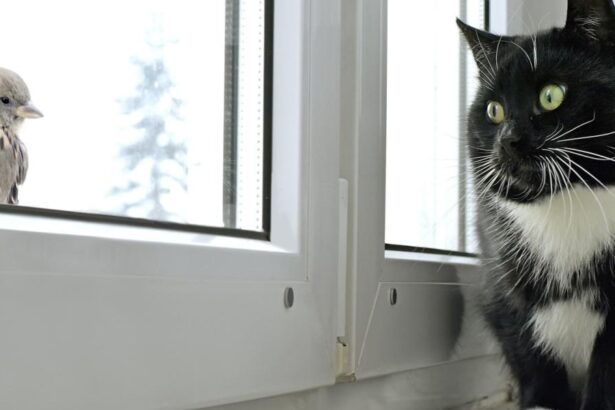
- Stimulate Their Senses: Indoor life can get boring fast, especially compared to outdoor life. Provide plenty of toys, climbing structures, and a window perch for bird-watching. When in doubt, maneuver a wanded toy for the cat two to three times daily and use battery-operated toys for when you cannot play with the cat. Hunting behaviour is their most fear-free behaviour and can help them acclimate much more quickly.
- Ensure Proper Nutrition: Provide high-quality cat food and make sure they always have fresh water available. Consider their specific dietary needs, especially if they were malnourished while living outside. In many cases, it may be best to leave food always available, especially in the beginning. This is best done with dry food, but you can still feed canned food two to three times a day in addition to the dry food.
- Litter Box Training: Most cats will instinctively use a litter box, but you may need to show them where it is. For feral or semi-feral cats, it may take some time for them to get used to using it consistently. Uncovered litter boxes are your best choice because if the cat is too fearful, they may be wary of entering a covered box that would reduce escape potential.
- Escape Artists Beware: Secure windows and doors to prevent accidental getaways. Consider using double doors, door screens, or baby gates for added security.
- Provide Vertical Space and Hides: Cats feel safer when they have vertical space to retreat and survey their new territory. Provide cat trees, shelves, or other elevated areas where the cat can observe their environment from a safe vantage point. They may also prefer low-to-the-ground hiding areas called hides. This can simply be space under a human guest bed, a cat tunnel, or a cat play tent.
- Gradual Socialization: Slowly introduce the cat to other household pets and family members. Supervise interactions to ensure they are positive and stress-free for the cat. Again, only do this once your cat has been checked out by the veterinarian. The sooner you can administer flea treatment, the better!

Photo antibydni/Bigstock
Transitioning an outdoor cat to an indoor life isn’t just about moving them from point A to point B. It’s a journey filled with love, patience, and plenty of humor. Whether your new feline friend is a feral, a semi-feral, or a once-lost housecat, these tips will help make their transition smooth and successful. With a little effort and a lot of heart, you’ll soon have a content indoor kitty purring happily by your side.
This article originally appeared in the award-winning Modern Cat magazine. Subscribe today!
Last Updated: