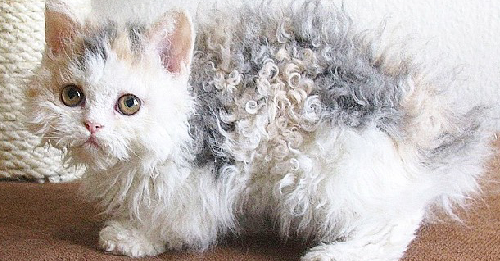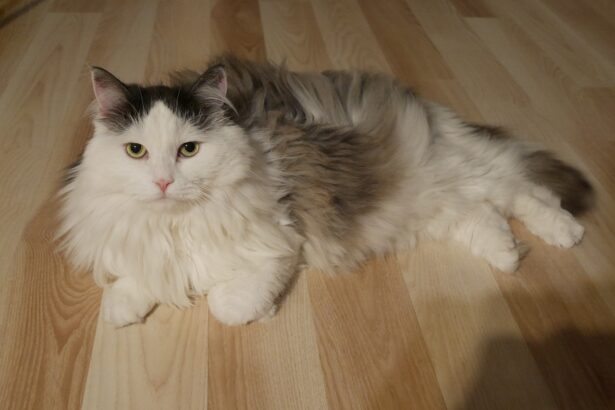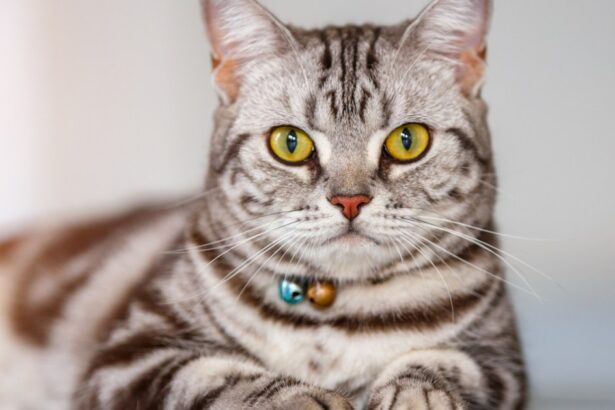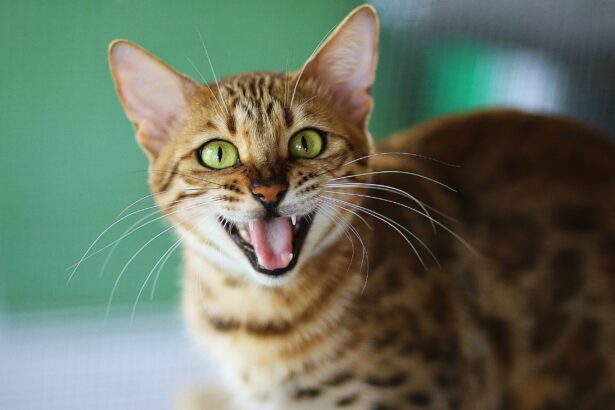

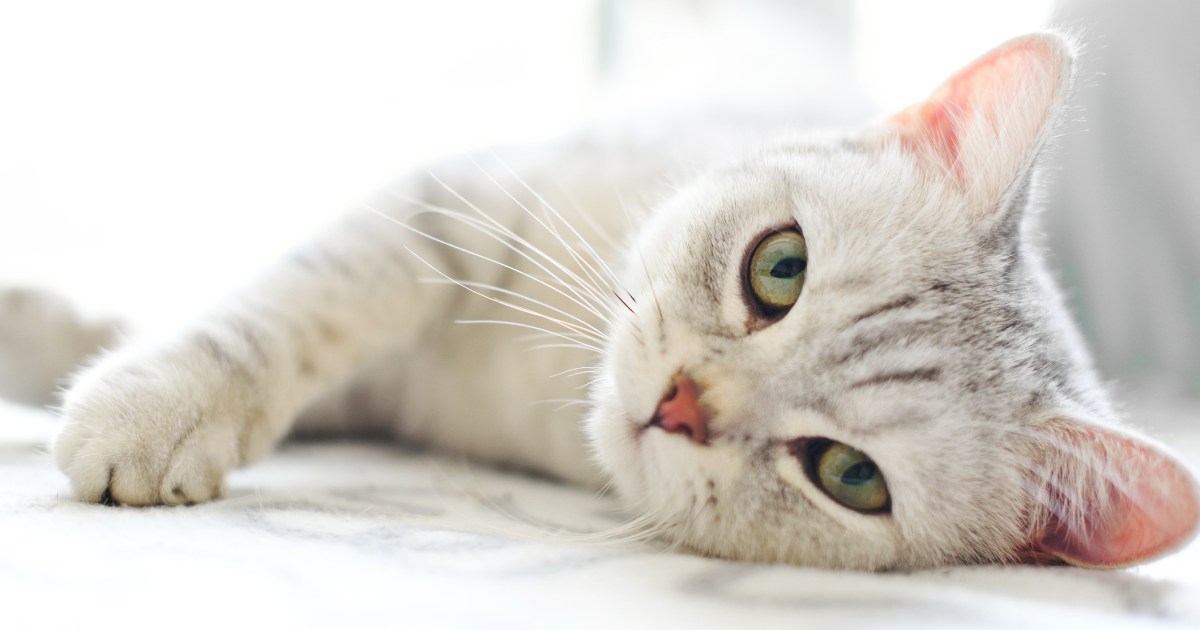
The Asian Cat shares their origins with the European Burmese but distinguishes itself through a diverse array of coat colors and patterns. The breed includes long-haired varieties known as Tiffanies. The breed’s history is intertwined with the evolution of the Burmese cat, with the Asian Cat emerging as a distinct group with a broader spectrum of coat variations. Recognition from the Governing Council of the Cat Fancy underscores the significance of their shared heritage while highlighting the unique qualities that set the Asian Cat apart. As a result, the Asian Cat has become a captivating and singular breed, appealing to those who appreciate a range of feline aesthetics within the context of a shared ancestral lineage.
This intriguing blend results in a cat that boasts not only a visually stunning appearance but also a delightful and affectionate temperament. The Asian cat inherits the best of both worlds, combining the playful and sociable nature of the Burmese with the regal poise of the Persian. But before you bring one of these kitties home, know that they don’t do well when left alone all day long. That’s because they want to be around their humans all the time.
When considering an Asian kitten, it’s advisable to prioritize adopting from rescue organizations or shelters to provide a loving home to a cat in need. However, if you decide to purchase, it’s crucial to choose a reputable breeder. Conduct thorough research to ensure that the breeder follows ethical practices and prioritizes the well-being of their cats. Reputable Asian kitten breeders prioritize the health and temperament of their cats. They also conduct necessary health screenings, and provide a nurturing environment for the kitties. This active approach ensures that you bring home a healthy and happy kitty while discouraging unethical breeding practices.
Quick Facts
- Origin: United Kingdom, 1980s.
- Size: Medium
- Breed group: Oriental Shorthair and Longhair
- Lifespan: 15 – 18 years
- Temperament: Outgoing and friendly
- Exercise Needs: Moderate – needs daily playtime and mental stimulation but can adapt to quieter lifestyles.
- Training: Moderately easy to train as they are curious.
- Grooming: Weekly brushing is recommended for both coat lengths.
- Coat: Likely short to semi-longhaired, depending on the dominant gene traits. Colors could range from lilac (light gray) to silver, possibly with tabby markings from the Burmese influence.
- Body: Medium-sized, potentially with the muscular build of the Burmese and the slightly rounder features of the Persian.
- Face: Round head with big, expressive eyes (often green from the Burmese and copper or blue from the Persian). The Chinchilla Persian’s flat face genes might be present, requiring special care for breathing and eye health.
- Health: Generally healthy, with some genetic disposition to eye issues, kidney disease, and potassium issues.
- Longhaired Asian cats are often referred to as Tiffanie cats, not to be confused with Chantilly-Tiiffany.
- There are five varieties of Asian cats: Asian Self, Asian Shaded, Asian Smoke, Asian Tabby, and Tiffanie.
- Two is better than one: if you’re adopting an Asian kitten, it’s best to get a second one to keep each other company.