
Guest post by Trisha Miller
A couple of years ago my co-worker told me that he just had a baby girl and she had been having some respiratory issues. They took her to the doctor and found out that their baby was allergic to their two cats. He mentioned this in passing to me since I have a cat and most people know how much I simply adore kitties.
About a week later, he realized the severity of the situation and informed me that they would have to immediately get rid of their cats. Their cats were both adopted from the Humane Society and as such would have to be taken back a second time.
My co-worker showed me a picture of his kitties and I instantly fell in love. He said that he had found a home for one of them, but not for the other.
Where I live, it’s common practice at many shelters to euthanize animals that have been brought back to the shelter more than once; my heart was broken at the notion that this might be the fate of his cat.
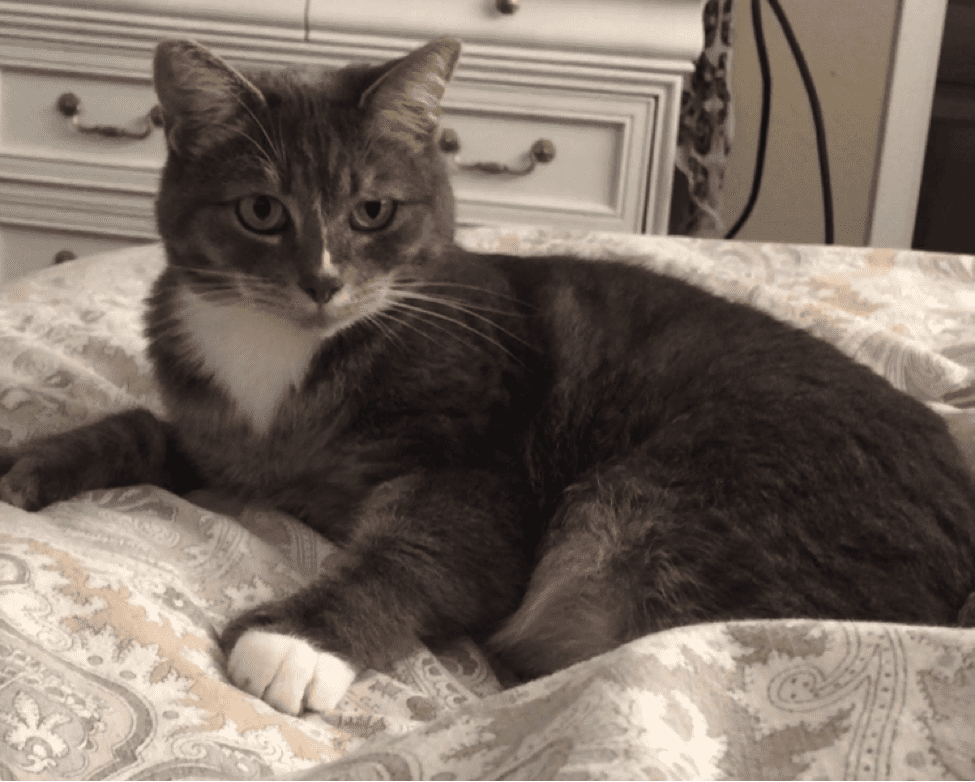
Just a couple of days later I picked up my new family member, Link.
Getting to know Link
My rescue cat, Link, has always been the most gentle and loving cat I have ever had the pleasure of knowing. He greets every person with a chirp and promptly jumps on their lap for pets. He will even gently grab your hand to let you know he really likes the pets you are giving him.
However, he has always been quite skittish since I adopted him. Loud noises and too much activity are just too much for him to handle. Needless to say, this type of behavior is usually due to stress and trauma, such as the two home changes he was forced to go through.
The other thing you should know about Link is that he is polydactyl. This means that he has an extra “toe” on each paw. This does not affect his ability to walk, jump, or climb just like any other cat. In fact, I actually think this improves it. However, because link doesn’t completely look like a “normal” cat, he is much less likely to be adopted.
Unfortunately, many polydactyl cats are also mistreated by people because of their differences, but there is no way for us to know exactly what Link has had to endure over the span of his life.
Fast-forward to early this year
Since I rescued him, over 2 years ago, he has had what we call “a goopy eye.” It was never very noticeable until one day he started acting out (i.e., using the floor as the restroom).
So, of course, we immediately took him to the vet and she explained that some cats have certain nutrient deficiencies that cause this type of watery-eye symptom. The eye was never inflamed or irritated in any way, so we were very confused as to why this sudden change in physical behavior had happened.
The vet made the decision to prescribe Link some Lysine gel to ingest orally twice per day for his droopy eye. This treatment is specifically for the feline herpes virus that can spread through the air. Although not usually fatal in cats, this illness can spread into the upper respiratory system and become a much larger problem if not taken care of quickly. Most cats can actually overcome this sickness on their own, just like a common human cold.
Feline herpes virus symptoms usually occur when you first adopt a new cat due to the stress of an entirely new situation. In addition, getting used to the dander and smell of a new feline friend can be challenging for cats as well.
We gave him the lysine gel until it ran out and then proceeded, as recommended by our vet, to address Link’s anxiety. She said his anxiety was most likely stress-induced anxiety caused by several small traumas he has experienced over his lifetime (moving from family to family as well as living in the Humane Society).
Many cats that have extreme anxiety can become quite upset even with small changes such as: the behavior of other cats in the house, an unfavorable litter box situation, change in diet, and/or a change in living quarters. Studies have shown that dogs and cats alike can have PTSD symptoms. Some professionals are careful to confirm that the likeness is exactly the same as PTSD in humans, but after traumatic events there is no doubt that animals can and will show signs of stress, withdrawal, confusion, and even aggression for an extended period of time.
The vet believed that Link would most likely live with his anxiety for the rest of his life and the best possible course of action was to use a calming diffuser. She sent us home with a one-month supply to test it out. This is a non-invasive alternative to anti-anxiety shots or pills. The diffuser is filled with 2% pheromones, which calm a stressed cat similarly to the pheromones produced by a mother cat in order to soothe her kittens.
It should be noted that there are a variety of anxiety treatments. The one we were provided by the vet is just one version we decided to try. The diffuser we use is called Sentry, but our vet also suggested Comfort Zone Diffuser as well. They are both pheromone-based and designed to have the same effect. Do your consumer research and talk to a trusted vet to discover a method that works for you and your cat.
[Editor’s note from Liz: Some people also have good luck with flower essences like Bach Rescue Remedy. These are very gentle homeopathic-type substances with NO essential oils, which are toxic to cats. Discover more about flower essences and how to use them with cats here. One brand, Spirit Essences, is even used and sold by the world’s most famous cat behaviorist, Jackson Galaxy.]
Knowing your adopted cat may have been through a great deal of stress will allow you to properly give him the love and care that he needs in his life. Before making the decision to rescue an animal that may have been through some trauma, make sure that you understand the lifelong commitment that comes with caring for an adopted pet. Some cats may adapt to a different home quite easily, while others may need special care and extra gentleness for their entire lives.
As for our Link, he’s always been worth the extra gentleness and understanding, and I am happy to say that the pheromone diffuser method has been working beautifully for him over the last six months or so. He has never been more calm or happy.
Trisha is a writer from Boise, Idaho. She is a dedicated vegan, cruelty-free activist, and mother to two beautiful cats and a new Boston Terrier. She blogs at ThatDangVegan.com and you can follow her on Twitter @thatdangvegan.